
Welcome to Behavioral Vision
Now offering Treehouse Eyes® Myopia Management for Kids - Learn More
|
DR. CARRIE SYPHERD
Dr. Sypherd graduated from Purdue University with a Bachelor of Arts in German and a Bachelor of Science in Neurobiology. She is an honors graduate of the Illinois College of Optometry, an associate member of the College of Vision Development, past president of the Fox Valley Optometric Society, and part of the Illinois Optometric Association. Dr. Sypherd believes that the vision system directs the mind-body. She primarily treats patients with traumatic brain injuries, developmental delays, educational difficulties, and autism spectrum disorders. She practices in Crystal Lake and consults at Marian Joy Rehabilitation Hospital in Wheaton. In addition to treating patients in Illinois, Dr. Sypherd participates in an annual eye care mission trip to provide care to patients who do not have access to eye doctors. |
Vision is much more than 20/20.
In today's world your child's problems can be easily overlooked by the educational institutions that have become over burdened with large class sizes and demanding curricula. It is up to us as parents to be the "court of last resort" and helping to discover and correct those problems that may affect your child's entire life.
Vision Problems?
Some vision problems can't be improved with just glasses or surgery. Look for these signs and symptoms. Learn more ... What is Vision Therapy? What is Convergence Insufficiency? What is Double Vision? What is Lazy Eye? What is Strabismus? Look Beyond 20/20 20/20 Is Not Enough! |
Our Program
|
Visual Therapy
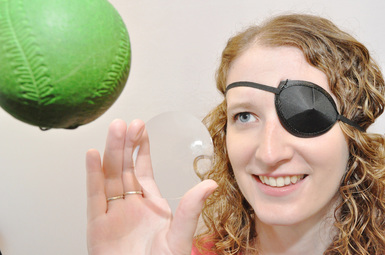
Visual exercises and training to improve visual functioning and performance, reading abilities and comprehension. Click hear to learn more about vision therapy 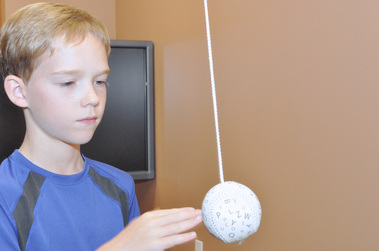
|
Sports Vision Training
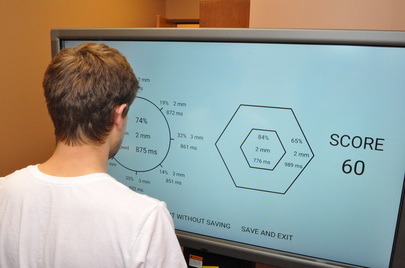
Click here to learn more about sports vision training Call to schedule your sports vision screening at the Crystal Lake office. 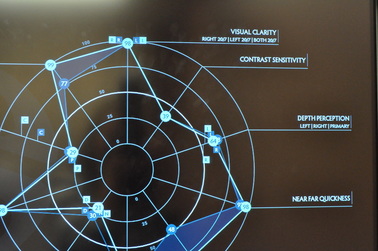
|
